How to Choose and Care for Your First Tarot Deck
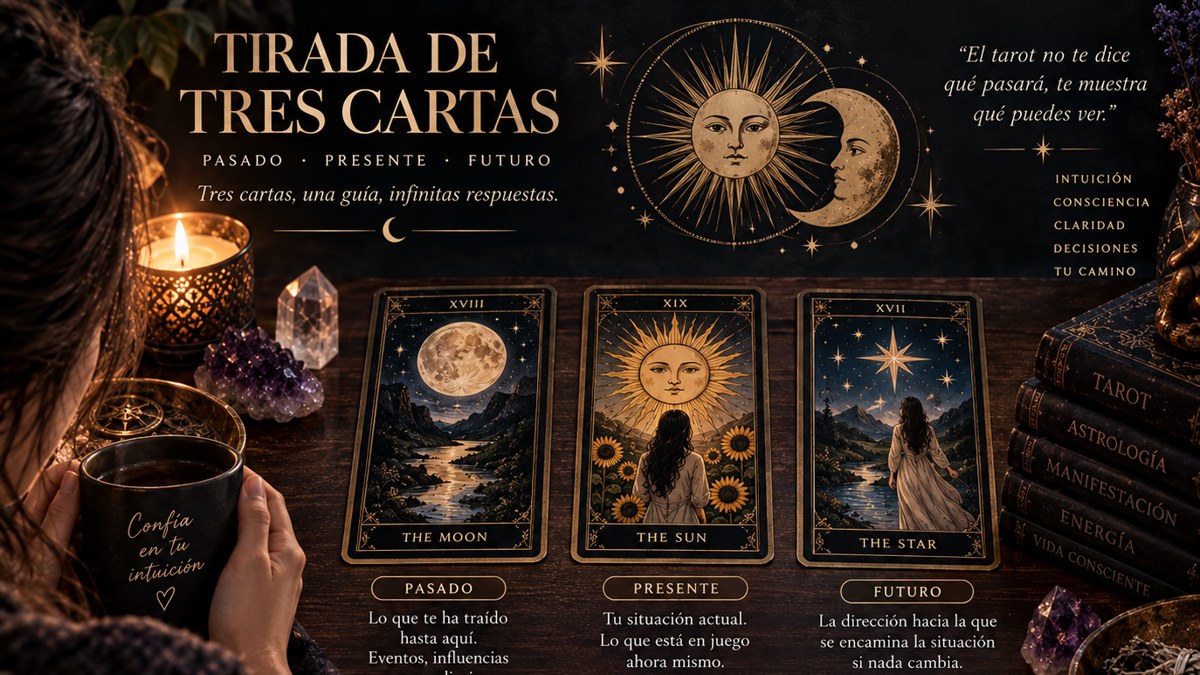
Choosing your first tarot deck is a more personal decision than it seems. Beyond the popular belief that you should "receive it as a gift," what matters most is that the deck speaks to you visually and emotionally, because it will be your intuitive working tool for a long time.
Rider-Waite: the classic starting point
For beginners, the Rider-Waite-Smith deck remains the universal reference. Its symbolic images appear in most books and courses, which makes learning much easier. Once you've mastered this foundation, exploring themed or artistic decks becomes far simpler.
What to look for in a beginner deck
Prioritize a deck with meanings or keywords printed on each card: it speeds up learning while you build your own intuition. Also check the card size (smaller cards are easier to shuffle with small hands) and the finish of the card stock, which should allow smooth shuffling without the cards sticking together.
How to "activate" and care for your deck
Many readers recommend a small welcoming ritual: hold the deck in your hands, breathe and mentally ask that your readings be clear and helpful. Store it wrapped in natural cloth or inside a box, away from direct sunlight, and keep others from handling it without your permission if you feel that "dirties" its energy for you.
Consistent practice matters more than the perfect deck
There is no magically "correct" deck. The connection is built through practice: the more spreads you do, the more fluid your reading will become, no matter whether your first deck turned out to be budget-friendly or luxurious.
Rider-Waite vs. Thoth vs. themed decks: which to choose?
Besides the classic Rider-Waite-Smith, there are other major schools of tarot with their own visual rules. The Thoth deck, created by Aleister Crowley and Lady Frieda Harris, uses much denser astrological and numerological symbolism, recommended once you have already mastered the basics. Themed decks (nature, mythology, cats, dark or pastel) keep the classic 78-card structure but reinterpret the images with total artistic freedom — they make an excellent second deck once you know the traditional meanings well, because they force you to recognize each card's archetype beyond its specific illustration.
Buy your deck in person or online?
Buying in a physical metaphysical shop has the advantage of being able to physically "feel" several decks before deciding — the weight, the finish of the card stock and even the smell of the cardboard influence the connection many people describe feeling with their deck. Buying online widens your options enormously, especially for themed decks that are hard to find locally; in that case, rely on photos of all the cards (not just the cover) and on reviews that mention the quality of the finish before deciding.
When is it time to replace your deck?
A frequently used tarot deck wears out: bent edges, cards you can tell apart by touch (breaking the random element of the deck) or simply a feeling that it "doesn't flow" like it used to. There is nothing wrong with retiring a worn deck with gratitude and starting a new one — in fact, many readers collect several decks over the years, each tied to a different stage of their own spiritual path.

Frequently asked questions
Does the artistic design of the deck matter?
A lot, because you'll be connecting with that deck every day. Choose illustrations that catch your eye and spark feelings or ideas when you look at them. Even so, for learning it helps if each card has a recognizable scene. If a design feels confusing or uncomfortable, it will probably make your practice harder from the start.
Is it true that your first deck should be a gift from someone else?
It's a popular belief, but not a rule. Many people buy their first deck and use it with no problem. What matters is that you feel comfortable with it.
Is a deck with a guidebook better than one without?
For a first deck, I recommend one that includes a little booklet or guide to the meanings. It gives you a starting point while you memorize the cards, and over time your intuition will take the lead. You can complement it with our free tarot readings to compare meanings and practice consistently.
What size and quality of cards should I look for?
Choose a size you can shuffle comfortably, since you'll be using it often. Firm but flexible card stock usually holds up best to use. Make sure the edges and finish feel pleasant to the touch. Always prioritize comfort and clear imagery over decorative extras.
Should I start with a tarot deck or an oracle deck?
They're different: tarot follows a fixed structure of cards and symbolism, while oracle decks tend to be freer and more thematic. If you want to learn a complete reading system, start with tarot. You can practice with our free spreads, no sign-up required, and decide later whether you'd like to add an oracle deck.
What did you think of this article? Tell us about your experience.
Thanks for your feedback!